Related Articles

.png)





Jen recently penned a pretty perfect piece on how to manage your community during a crisis, so now it’s time to reckon with the other half of the equation: handling external press during a crisis.
If you’ve been in Web3 long enough, you know at least one truth: chaos reigns. Hacks, governance drama, market crashes, rugs, ecosystem beef, drug-fueled founder rants… whatever the drama du jour may be, the way you talk about it is usually more important than what actually happened.
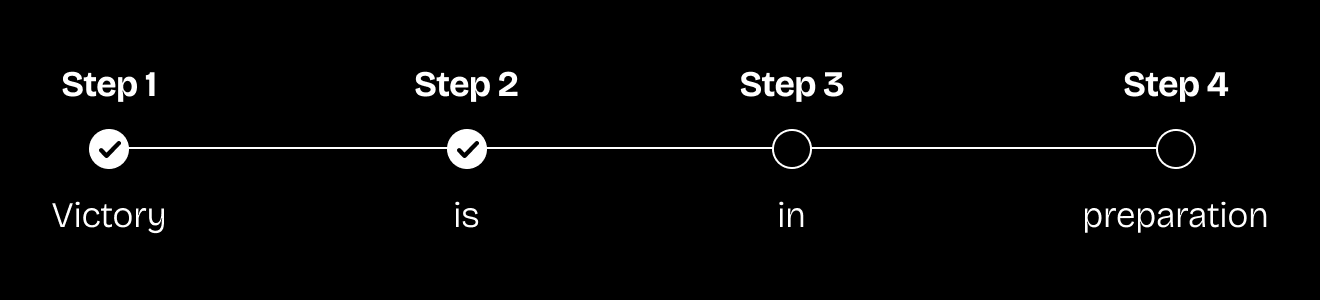
It probably goes without saying, but by definition, we’re almost always caught off guard by a crisis, so remember the victory is in the preparation. It’s easier to execute when you’re not in panic mode, so regardless of whether you think it “won’t happen to us”, just keep in mind, the best projects out there are ready for anything. So, let’s dig into the basics of what you can do to prep.
Decide ahead of time who’s in charge if things go sideways. That includes:
When the pressure’s on, you don’t want five different people panicking and DM’ing reporters with five different stories.
Web3 has some obvious “likely scenarios”: a governance vote goes toxic, a bridge gets exploited, tokenomics collapse, your founder gets into some public beef... Play these scenarios out. Write draft statements. Practice interviews. It may feel goofy, but when the real thing happens, you’ll be glad you’ve rehearsed.
Have some simple templates ready to go: short statements, blog post drafts, scripts for your Discord mods, a couple of tweets. Stuff you can pump out immediately to tide people over and buy time before you go 1-on-1 with a reporter.
Just leave blanks to fill in the words and context of whatever your crisis may be (e.g.; We have been made aware that our [Twitter] account has been hacked. Please do not click any links or communicate through DM’s until we update you [here, on our official website].)

Now you’re prepped! Great job, you took our advice. That’s a smart move. We like you. But once things actually hit the fan, you still need to put your practice into purpose and react.

Once the headlines start flying, speed and clarity matter. Keep one thing in mind as it all begins: Your goal is not to win an argument, it’s to make sure the facts are in the public record. Reporters love clear, direct lines they can drop into a story. Keep your reactive statements to only a few sentences max. Your initial response is often the one that will define you the most, so make it powerful, calm, direct, and make it count. Use it to re-frame the narrative your way.
Also, don’t repeat the FUD! Doing so just reinforces and continues to associate you with the negative. Instead, highlight what you’re doing about the situation and the immediate, positive steps forward.
Imagine your DeFi protocol just got hit by a smart contract exploit and social media is melting down with “RUG!!!!” accusations. A reporter reaches out to you for an initial statement; here’s how not to respond:
"We’re not a rug pull. The claims circulating on social media are false, and we are investigating the issue.”
That statement does nothing but repeat the accusation and says nothing of substance, leaving the press (and your users) to speculate on what’s actually happening.
Instead, go with something like this:
"Earlier today, an exploit was identified in one of our staking contracts. The team has paused all affected smart contracts, secured user funds, and is working with auditors to release a full report. We’ll post verified details shortly.”
That’s it. A few sentences. No drama, no defensiveness, no ambiguous promises of action. Instead, you’ve acknowledged what happened, explained what’s being done, and given people a reason to stay tuned for accurate info without fueling the FUD.
The difference? The first version reacts emotionally to the noise. The second one controls the narrative by putting verified facts out front and showing competence and transparency.
Web3 natives have a sharp nose for bullshit half-measures. Don’t hide behind caveats or legalese. If it is appropriate to apologize (and this is a very important distinction to make!), then do it fully in one strong statement, and then always keep the rest of your messaging focused entirely on facts and solutions.
Example:
Say your NFT marketplace accidentally leaked user wallet addresses due to a misconfigured API. Here’s the wrong way to apologize:
"We regret any inconvenience this situation may have caused and are taking steps to improve our processes to ensure it doesn’t happen again.”
That’s a tap-dancing non-apology straight out of the egregiously banal corporate playbook. It doesn’t acknowledge what actually went wrong, doesn’t show ownership, and doesn’t sound remotely human.
Here’s a version that lands:
"We made a serious mistake. A configuration error exposed user wallet addresses earlier today. No private keys or funds were at risk, but the exposure shouldn’t have happened. We’ve fixed the issue, launched a full security audit, and will share findings publicly next week.”
Short, direct, and fully owned. No hemming and hawing, no nonsense. You give one clean apology, and after that, the story shifts to the fix, not the failure. That’s the balance: accountability once, clarity always. In Web3, people forgive honest errors a lot faster than they forgive spin.
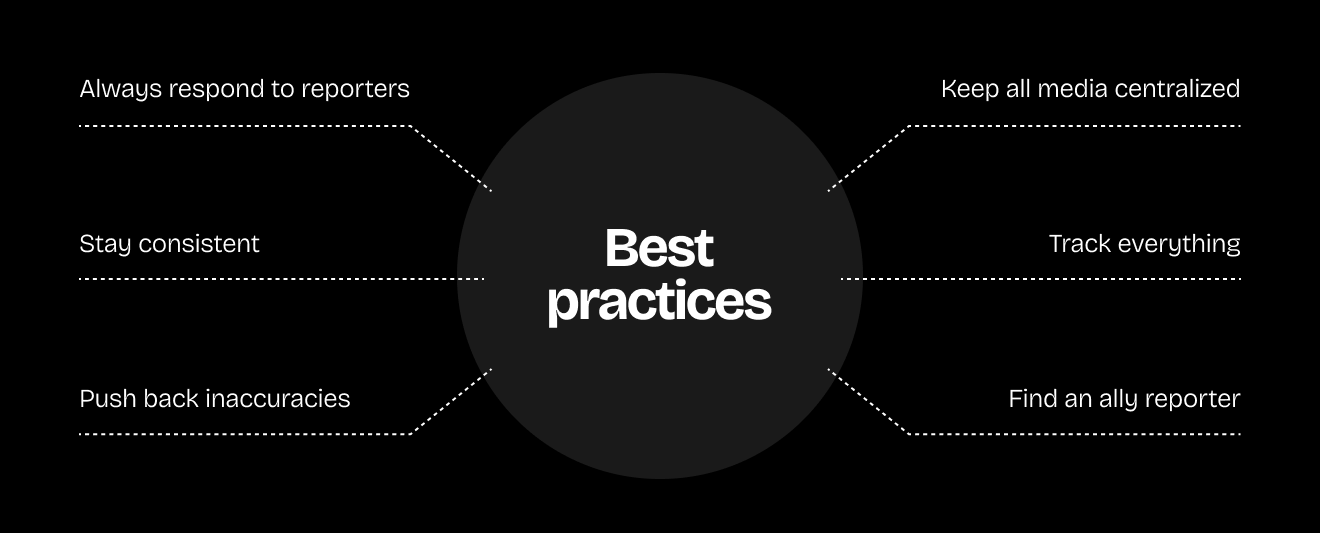
Jen covered this in detail with her piece, but this is also super important to keep in mind during your external media comms too. The sooner you give your community the correct messaging, the sooner they can help reinforce it, so if a journalist goes a-googling, they’ll find consensus. Web3 projects live and die on trust. Post a blog update, share it on X, drop a note in your Discord/Telegram. Keep keeping it tight, clear, and make sure all channels strengthen one consistent narrative.
And finally, once the crisis calms down, don’t just breathe a sigh of relief and move on. Have an internal, post-crisis self-audit.
Ask:
Use those lessons to tighten your playbook. Web3 is volatile… This definitely might not be the last storm you’re forced to weather, but each crisis makes you sharper for the next one.
Need a hand with public relations or turning crisis into opportunity? Contact Distractive
Build the future of Web3 with people who get you. No suits required. Memes encouraged.
