Related Articles

.png)
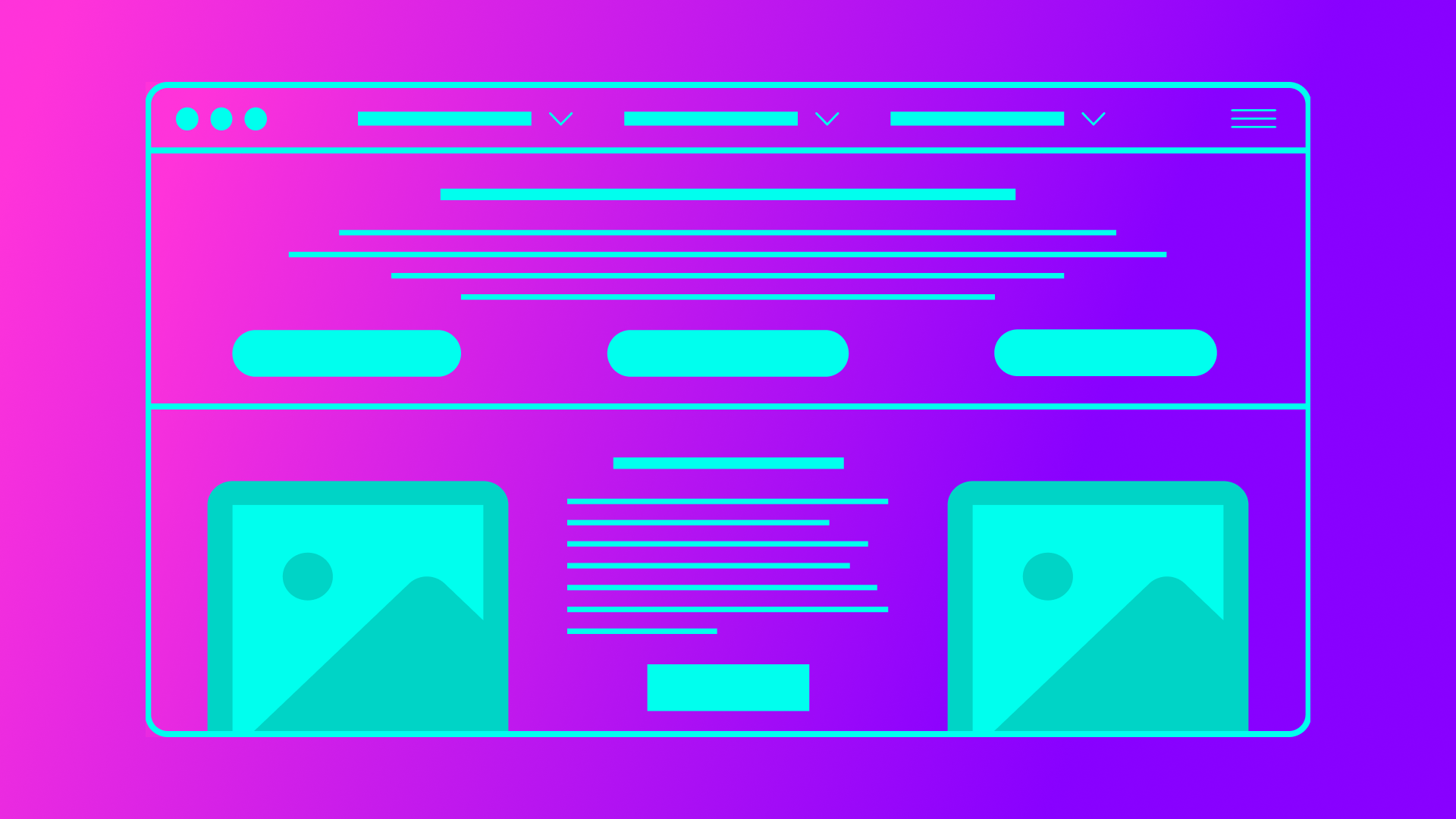




To bridge the gap to mass adoption, Web3 design must simplify blockchain complexity through user-centricity, build trust via transparent data, celebrate digital ownership, and ensure resilience through progressive decentralization. By hiding technical friction and prioritizing intuitive UX, designers can transform decentralized technology into an accessible, human-friendly experience.
Web3 is poised to become the foundation of how we interact online. But right now, most people can't figure out how to use it. The market is projected to hit $33.53 billion by 2030, but that growth depends on solving one critical challenge: making this powerful new internet accessible, intuitive, and trustworthy for everyone.
The initial wave of Web3 products, built by engineers for engineers, often prioritizes technical functionality over human experience. The result? Millions of potential users stay on the sidelines, confused. Good product design isn't a luxury. It's the bridge to mass adoption.
The Web3 landscape is full of trends that won't matter in six months. Core design principles still apply, but they need to be rethought for decentralization. Web2 design is straightforward: centralized platforms, trusted intermediaries, familiar patterns. Web3 shatters this model with unprecedented opportunities for user ownership and community governance, but also new challenges like wallet connections, gas fees, and immutable transactions.
This article gives you a practical framework for Web3 design principles built on four core principles that solve the real challenges: complexity, trust, and user onboarding.
Designing for Web3 requires more than just new visuals. It demands a fundamental shift in mindset. Blockchain technology redefines the relationship between users, data, and digital products, creating a completely new canvas for Web3 UX.
The fundamental shift from Web2's centralized model to Web3's decentralized network changes everything about user control and trust.
In Web2, trust is placed in a central entity: a bank, a social media company, a service provider. The design reinforces this by showcasing brand authority and security badges.
In Web3, the system is designed to be "trustless." Users don't need to trust a central party, but rather the transparent, verifiable code of the blockchain. For designers, this means building user confidence in the protocol itself, not the brand. Data transparency and clarity are everything.
Designers need to understand Web3’s tech stack. Period.
Key concepts that directly impact user experience:
Design must account for these high stakes, providing clear guidance, irreversible action warnings, and educational resources to help users navigate these new mechanics safely.
Web3 users are not passive consumers. They are active participants and stakeholders who expect:
This shift is evidenced by the growth in social dapps, which saw daily unique active wallets increase by 10% to 2.8 million in early 2025. Design must evolve to facilitate this participation, creating interfaces for voting, contribution, and collective ownership.
Each facet of the Web3 ecosystem presents unique design challenges:
Effective Web3 product design involves tailoring solutions to these specific contexts while maintaining core principles.

User-centricity matters more in Web3 UX. While Web2 aims for delight and engagement, Web3 design must first solve for clarity and security. The goal is to hide unnecessary complexity so users can interact confidently.
The average user doesn't need to understand the cryptographic details of a transaction, but they do need to understand its consequences. Effective design acts as a translator.
Instead of showing a raw contract address, a good interface displays a verified name. Instead of "execute function," it says "Confirm Swap." Use familiar language, clear illustrations, and progressive disclosure to make decentralized apps approachable.
The first five minutes of a user's journey into a Web3 product are critical. The traditional "email and password" signup is replaced by wallet connections.
A good onboarding process:
The decentralized applications market is expected to generate over $76.5 billion by 2030. To capture this value, dApp interfaces must be intuitive.
This means:
Web3 empowers users with direct control over their data and assets. The design should reflect this user sovereignty.
Dashboards should provide a clear, consolidated view of a user's holdings across the ecosystem. Settings should allow users to manage permissions for different dapps granularly. Put control in the user's hands and make it easy to manage. That’s how you deliver on Web3’s promise.
When users are their own custodians, design becomes critical for trust and security. Visual cues, educational content, and data transparency help users protect themselves and their assets.
Without a central authority, you need to build verifiable trust differently.
Design can accomplish this by:
Verifiable on-chain data, presented in a human-readable format, becomes the ultimate trust signal, proving a protocol's health and activity levels better than any marketing page.
Good Web3 design is inherently educational. Every interface is an opportunity to improve user experiences.
Tooltips that explain technical terms like "slippage" or "gas fees," clear walkthroughs for first-time actions, and security guides aren’t just nice-to-haves. They’re essential. Anticipate questions and answer them exactly when users need them.
The threat landscape in Web3 is potent, with risks like AI-driven exploits surging by 1,025% in early 2025. Design is the first line of defense.
Security-focused design involves:
The goal is to make the safe path the easiest path.
Web3 offers a chance to reset the norms of digital privacy. Design can enforce these new standards by making data-sharing an explicit and transparent choice.
Replace opaque terms of service with clear toggles and explanations that show exactly what information users are sharing. This makes privacy something users can actually control, not just a legal doc they scroll past.
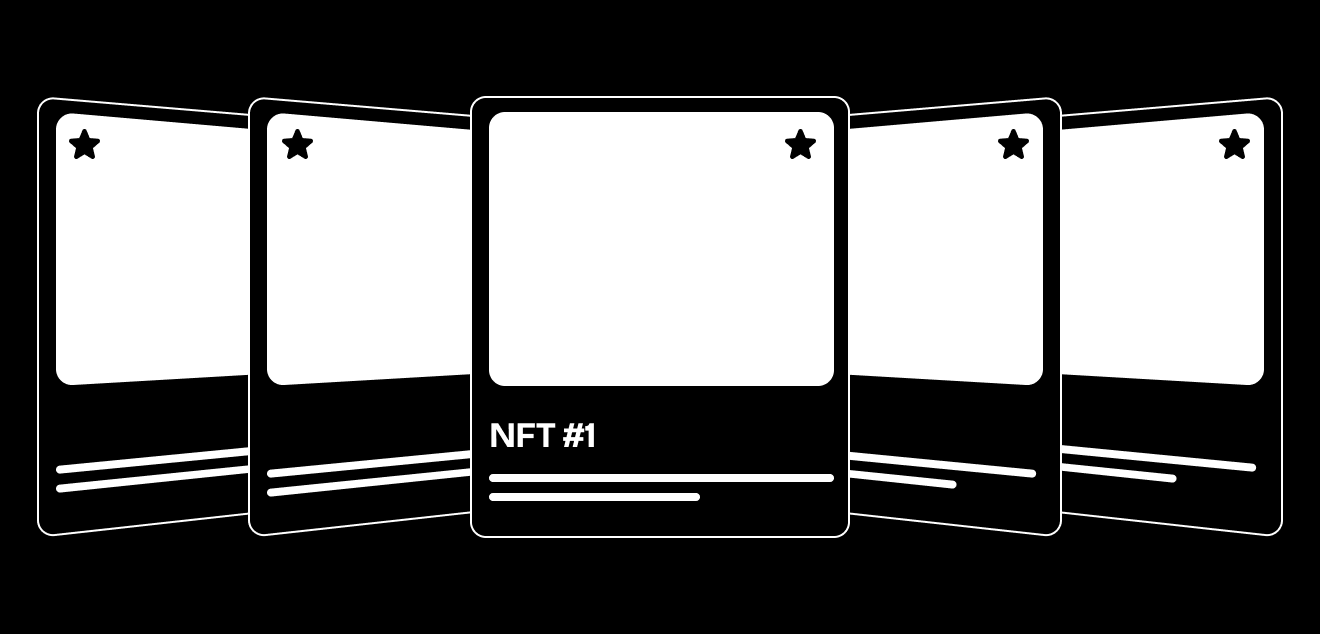
True digital ownership is a cornerstone of Web3. Blockchain technology can grant ownership, but design has to make it feel real and meaningful.
When a user owns an NFT or a governance token, the interface should celebrate that ownership. This goes beyond simply listing an asset in a wallet.
Design rich displays for NFT collections showcase art and metadata, create dashboards that visualize voting power, and use branding that makes the user feel like a true stakeholder in the product’s ecosystem.
User agency means giving users meaningful choices and the tools to act on them.
In a DeFi application, this could mean:
In a decentralized social network, it means giving users ultimate control over their content and social graph. Your job as a designer is to make complex choices understandable and accessible.
Web3 products are often built and governed by their community. Design is crucial for fostering this collaborative spirit.
This involves:
Done well, design turns users into active co-creators.
Web3 is not a static destination; it’s an evolving ecosystem. Design systems and strategies must be resilient and adaptable enough to grow with the technology and the community.
Blockchain transactions are permanent. This immutability requires designers to think about the long-term consequences of their decisions.
Interfaces must be designed to handle future updates to smart contracts gracefully. Use clear versioning, modular components, and forward-thinking information architecture so your product can evolve without breaking past user experiences or creating confusion.
A Web3 product is often part of a larger, interconnected ecosystem of dApps and protocols. A robust design system ensures consistency and usability as the product expands.
Define patterns for everything from wallet interactions to data visualization, creating a coherent user experience that scales across multiple platforms and helps users feel at home anywhere in the ecosystem.
For Web3 to achieve mass adoption, it must meet users where they are. This means bridging the gap between familiar Web2 experiences and the new paradigms of Web3.
Designers can achieve this through "progressive decentralization," introducing Web3 concepts gradually. A user might start with a simple, custodial wallet, then guide them toward the responsibilities and benefits of self-custody when they’re ready.
These Web3 design principles require you to change how you work. Work more collaboratively, more transparently, and integrate closely with engineering and community feedback.
User research in Web3 goes beyond standard usability testing.
It involves:
Web3's future depends on the quality of human experiences, not tech novelty. Getting past the hype means returning to first principles and rethinking them for decentralization.
The path forward is clear: make complex things simple, build transparency to earn trust, give users real ownership, and create systems that can adapt.
Build these principles into every website, interface, and dapp to unlock what Web3 can actually do. Your job is to guide users, translate complexity, and advocate for them. Turn blockchain's potential into products that are powerful, intuitive, safe, and accessible. This is how we move Web3 from a niche interest to the foundational layer of the next digital age.
Need help implementing these principles?
At Distractive, we are a Web3 design agency that specializes in branding that actually works. No fluff, no endless strategy decks. Just execution that gets your product in front of users. Learn more about our Web3 design services.
Build the future of Web3 with people who get you. No suits required. Memes encouraged.
